
Insights
Get expert insights, updates, and news from Acumen, and learn more about what we've done for our clients.
ALL
STRATEGY
BUSINESS GROWTH
PEOPLE & ORGANIZATION
INDUSTRIES
CASE STUDIES
PROJECT ALPHABET
ACUMEN TRIBE
July 9, 2026
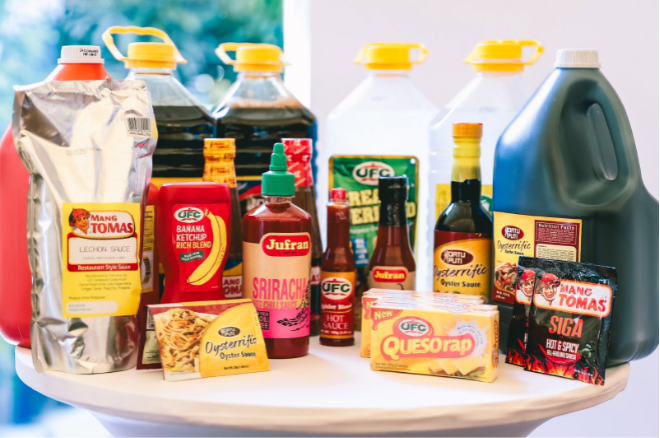
Learn how the FMCG company compressed its marketing strategy cycles and built a shared business language across its marketing team.

July 6, 2026
Planning season isn't short on ambition, but capital spreads thin. The hardest question is what to stop funding so resources concentrate behind bets that can win.

June 22, 2026
Is your marketing team busy but missing commercial targets? Learn why hidden capability gaps hit your P&L before performance reviews—and how to fix them.

June 8, 2026
Navigating true transformation in the organization requires an objective, outside perspective that is nearly impossible to build from within.

June 7, 2026
Build long-term growth from the inside out with Acumen's enduring success model: strategy, leadership, proposition, operating system, and culture.

June 3, 2026
Professionalizing a family business protects its legacy. Setting clear roles and governance builds a stable, scalable enterprise for the next generation.

May 28, 2026
Succession fears are rarely just about business—they’re about family. Discover the governance structures that protect relationships and secure your legacy.

May 27, 2026
AI can build a deck, but strategic depth requires human judgment. Learn how Acumen combines the right tools with trusted expertise for big business choices
July 9, 2026
Learn how the FMCG company compressed its marketing strategy cycles and built a shared business language across its marketing team.
July 6, 2026
Planning season isn't short on ambition, but capital spreads thin. The hardest question is what to stop funding so resources concentrate behind bets that can win.
Strategy
July 6, 2026
Planning season isn't short on ambition, but capital spreads thin. The hardest question is what to stop funding so resources concentrate behind bets that can win.
June 8, 2026
Navigating true transformation in the organization requires an objective, outside perspective that is nearly impossible to build from within.
June 7, 2026
Build long-term growth from the inside out with Acumen's enduring success model: strategy, leadership, proposition, operating system, and culture.
May 27, 2026
AI can build a deck, but strategic depth requires human judgment. Learn how Acumen combines the right tools with trusted expertise for big business choices

May 20, 2026
Is your business suffering from fragmented focus? Discover why cross-functional consulting teams outperform the lone expert to drive real, systemic growth.

May 4, 2026
Not every consultant solves the right problem. Here are 6 signs that tell you whether the fit — and the diagnosis — is actually right.

November 12, 2024
Here's how strong brand architecture keeps expanding companies focused and moving in the right direction.

August 15, 2024
Great commercial leadership isn't just a business skill — it's an art. And football, the beautiful game, has some of the clearest lessons on how to master it.
July 6, 2026
Planning season isn't short on ambition, but capital spreads thin. The hardest question is what to stop funding so resources concentrate behind bets that can win.
June 8, 2026
Navigating true transformation in the organization requires an objective, outside perspective that is nearly impossible to build from within.
June 7, 2026
Build long-term growth from the inside out with Acumen's enduring success model: strategy, leadership, proposition, operating system, and culture.
May 27, 2026
AI can build a deck, but strategic depth requires human judgment. Learn how Acumen combines the right tools with trusted expertise for big business choices
May 20, 2026
Is your business suffering from fragmented focus? Discover why cross-functional consulting teams outperform the lone expert to drive real, systemic growth.
May 4, 2026
Not every consultant solves the right problem. Here are 6 signs that tell you whether the fit — and the diagnosis — is actually right.
November 12, 2024
Here's how strong brand architecture keeps expanding companies focused and moving in the right direction.
August 15, 2024
Great commercial leadership isn't just a business skill — it's an art. And football, the beautiful game, has some of the clearest lessons on how to master it.

August 13, 2024
Most companies have a mission statement. Few have a Purpose that actually moves people. Here's why the difference matters more than you think.

July 26, 2024
Nearly 90% of executives say innovation is essential — but knowing that and acting on it are two very different things. Here's what real innovation looks like.
Business Growth

October 30, 2024
Overextending your brand doesn't just slow growth — it risks losing the customers who got you there. Here's how to spot the line before you cross it.

September 4, 2024
Traditional trade still dominates the Philippines — and your Route-to-Market strategy needs to reflect that. Here's what an optimal distribution mix looks like.

June 24, 2024
Marketing is a lot like cooking — the ingredients may be the same, but the best results come from your own recipe. Here's how to craft one that actually works.

April 21, 2024
Foodservice selling is a different game. Without the right training, even great products get lost in the pitch — here's how to make detailing actually work.
August 26, 2022
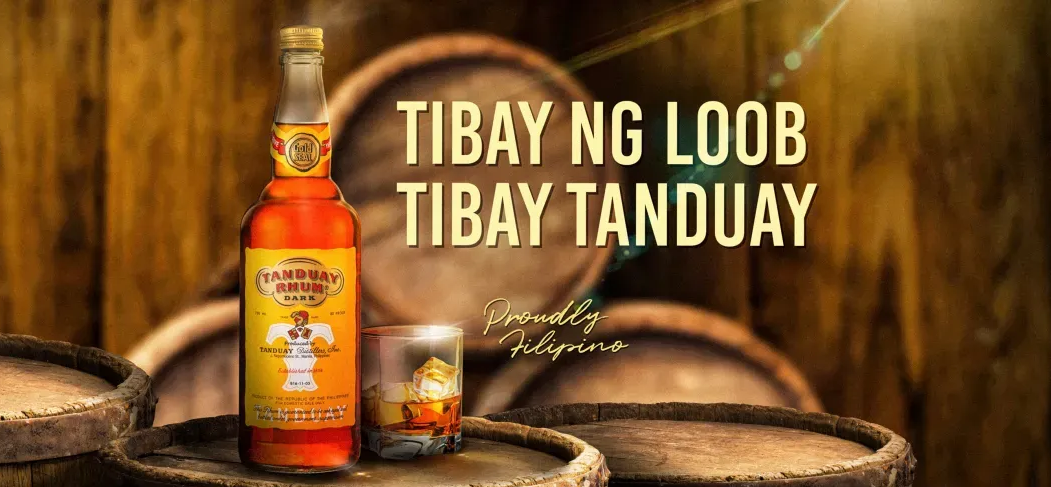
In a business environment that’s becoming more and more competitive because of the democratization of a lot of things, the proliferation of options that face the consumers makes it hard for brands to own a large part of the market and to sustain leadership for a long time. Heritage brands and long-time market leaders are always prone to losing shares to competition or new brands in the category. This is true due to several reasons: 1) they have been so used to being number 1 that they lost the urgency to move with the times and keep themselves updated with what’s happening in the competitive landscape, 2) they have grown accustomed to what’s been working and have not moved to change their message or how they reach their consumers, 3) as market leaders, they have the biggest share of the pie, therefore the one that stands to lose the most to aggressive newcomers. Has your company ever lost valuable customers? If so, you know that the experience can be quite painful. In this case study, we will explore how our client Tanduay was able to regain lost customers and thrive once again. We will outline the steps they took and the results they achieved. So, if you're looking to recapture a lost customer, read on!

July 21, 2022
Search for definitions of Brand Strategy on the internet and you would typically get these statements: “Your brand strategy defines what you stand for, a promise you make, and the personality you convey.” “A brand strategy is a formal plan used by a business to create a particular image of itself in the minds of current and potential customers.” When people hear the word “Brand” they automatically associate it with the visuals, campaign, tagline, image, promos, etc. While it is true that this is certainly the most well-known part of it, there is so much more one needs to know, understand, and manage beyond this. People who manage and grow brands know that a BRAND is a BUSINESS. So, when you say Brand Strategy, you actually mean Business Strategy. When you look at it from this perspective, then suddenly Brand Strategy takes on a much wider and expansive scope than communication or campaign materials. That’s why Brand reviews are not just limited to Brand image scores – which is usually just 1 out of the 4 or 7 Ps Marketing . David Aaker is one of the proponents of Brand Strategy that went beyond the visuals and campaign. He introduced these principles in the 1990s with his book “Managing Brand Equity” which eventually led to the discipline of Strategic Brand Management – wherein the company maps out the brands’ contribution to total company’s long-term competitive strength and profitability while regularly tracking and measuring its Brand Health or Brand Equity. The following are the factors that we need to consider in building a brand:
October 30, 2024
Overextending your brand doesn't just slow growth — it risks losing the customers who got you there. Here's how to spot the line before you cross it.
September 4, 2024
Traditional trade still dominates the Philippines — and your Route-to-Market strategy needs to reflect that. Here's what an optimal distribution mix looks like.
June 24, 2024
Marketing is a lot like cooking — the ingredients may be the same, but the best results come from your own recipe. Here's how to craft one that actually works.
April 21, 2024
Foodservice selling is a different game. Without the right training, even great products get lost in the pitch — here's how to make detailing actually work.
August 26, 2022
In a business environment that’s becoming more and more competitive because of the democratization of a lot of things, the proliferation of options that face the consumers makes it hard for brands to own a large part of the market and to sustain leadership for a long time. Heritage brands and long-time market leaders are always prone to losing shares to competition or new brands in the category. This is true due to several reasons: 1) they have been so used to being number 1 that they lost the urgency to move with the times and keep themselves updated with what’s happening in the competitive landscape, 2) they have grown accustomed to what’s been working and have not moved to change their message or how they reach their consumers, 3) as market leaders, they have the biggest share of the pie, therefore the one that stands to lose the most to aggressive newcomers. Has your company ever lost valuable customers? If so, you know that the experience can be quite painful. In this case study, we will explore how our client Tanduay was able to regain lost customers and thrive once again. We will outline the steps they took and the results they achieved. So, if you're looking to recapture a lost customer, read on!
July 21, 2022
Search for definitions of Brand Strategy on the internet and you would typically get these statements: “Your brand strategy defines what you stand for, a promise you make, and the personality you convey.” “A brand strategy is a formal plan used by a business to create a particular image of itself in the minds of current and potential customers.” When people hear the word “Brand” they automatically associate it with the visuals, campaign, tagline, image, promos, etc. While it is true that this is certainly the most well-known part of it, there is so much more one needs to know, understand, and manage beyond this. People who manage and grow brands know that a BRAND is a BUSINESS. So, when you say Brand Strategy, you actually mean Business Strategy. When you look at it from this perspective, then suddenly Brand Strategy takes on a much wider and expansive scope than communication or campaign materials. That’s why Brand reviews are not just limited to Brand image scores – which is usually just 1 out of the 4 or 7 Ps Marketing . David Aaker is one of the proponents of Brand Strategy that went beyond the visuals and campaign. He introduced these principles in the 1990s with his book “Managing Brand Equity” which eventually led to the discipline of Strategic Brand Management – wherein the company maps out the brands’ contribution to total company’s long-term competitive strength and profitability while regularly tracking and measuring its Brand Health or Brand Equity. The following are the factors that we need to consider in building a brand:
People & Organization
July 9, 2026
Learn how the FMCG company compressed its marketing strategy cycles and built a shared business language across its marketing team.
June 22, 2026
Is your marketing team busy but missing commercial targets? Learn why hidden capability gaps hit your P&L before performance reviews—and how to fix them.
June 3, 2026
Professionalizing a family business protects its legacy. Setting clear roles and governance builds a stable, scalable enterprise for the next generation.
May 28, 2026
Succession fears are rarely just about business—they’re about family. Discover the governance structures that protect relationships and secure your legacy.

May 24, 2026
From local heroes to rising giants, defeating multinationals lies not in matching budgets, but in mastering customer insight and sharp business analysis.

May 18, 2026
The difference between a training program and a Marketing Academy — and why it matters more than most CEOs realize.

October 16, 2024
Acumen's Capability Building programs turn knowledge into practice — equipping professionals with skills they can apply from day one.

August 7, 2024
Acumen training isn't checkbox learning. Built around your real work challenges — customized, actionable, and designed to drive lasting performance.
July 9, 2026
Learn how the FMCG company compressed its marketing strategy cycles and built a shared business language across its marketing team.
June 22, 2026
Is your marketing team busy but missing commercial targets? Learn why hidden capability gaps hit your P&L before performance reviews—and how to fix them.
June 3, 2026
Professionalizing a family business protects its legacy. Setting clear roles and governance builds a stable, scalable enterprise for the next generation.
May 28, 2026
Succession fears are rarely just about business—they’re about family. Discover the governance structures that protect relationships and secure your legacy.
May 24, 2026
From local heroes to rising giants, defeating multinationals lies not in matching budgets, but in mastering customer insight and sharp business analysis.
May 18, 2026
The difference between a training program and a Marketing Academy — and why it matters more than most CEOs realize.
October 16, 2024
Acumen's Capability Building programs turn knowledge into practice — equipping professionals with skills they can apply from day one.
August 7, 2024
Acumen training isn't checkbox learning. Built around your real work challenges — customized, actionable, and designed to drive lasting performance.

July 26, 2024
There are 5 core traits that make a great brand manager, including a cheerful perspective that sees consumers as real people.

July 17, 2024
Much like tending a garden, effective training programs must fertilize potential and nurture talent that may have been lying dormant.
Industries
May 24, 2026
From local heroes to rising giants, defeating multinationals lies not in matching budgets, but in mastering customer insight and sharp business analysis.

April 18, 2026
Buyers aren't just investing money — they're investing in a future. The communities that earn that trust are built with real intention.

September 12, 2024
New markets are attracting major players — and competition is intensifying. Here's what the rise of developers in suburban growth areas means for the industry.

May 29, 2024
Financial industry players have been racing to offer diverse products and services, but what do consumers really need, want, and can afford?
April 21, 2024
Foodservice selling is a different game. Without the right training, even great products get lost in the pitch — here's how to make detailing actually work.
May 24, 2026
From local heroes to rising giants, defeating multinationals lies not in matching budgets, but in mastering customer insight and sharp business analysis.
April 18, 2026
Buyers aren't just investing money — they're investing in a future. The communities that earn that trust are built with real intention.
September 12, 2024
New markets are attracting major players — and competition is intensifying. Here's what the rise of developers in suburban growth areas means for the industry.
May 29, 2024
Financial industry players have been racing to offer diverse products and services, but what do consumers really need, want, and can afford?
April 21, 2024
Foodservice selling is a different game. Without the right training, even great products get lost in the pitch — here's how to make detailing actually work.
Case Studies
July 9, 2026
Learn how the FMCG company compressed its marketing strategy cycles and built a shared business language across its marketing team.
August 26, 2022
In a business environment that’s becoming more and more competitive because of the democratization of a lot of things, the proliferation of options that face the consumers makes it hard for brands to own a large part of the market and to sustain leadership for a long time. Heritage brands and long-time market leaders are always prone to losing shares to competition or new brands in the category. This is true due to several reasons: 1) they have been so used to being number 1 that they lost the urgency to move with the times and keep themselves updated with what’s happening in the competitive landscape, 2) they have grown accustomed to what’s been working and have not moved to change their message or how they reach their consumers, 3) as market leaders, they have the biggest share of the pie, therefore the one that stands to lose the most to aggressive newcomers. Has your company ever lost valuable customers? If so, you know that the experience can be quite painful. In this case study, we will explore how our client Tanduay was able to regain lost customers and thrive once again. We will outline the steps they took and the results they achieved. So, if you're looking to recapture a lost customer, read on!
July 6, 2026
Planning season isn't short on ambition, but capital spreads thin. The hardest question is what to stop funding so resources concentrate behind bets that can win.
June 8, 2026
Navigating true transformation in the organization requires an objective, outside perspective that is nearly impossible to build from within.
June 7, 2026
Build long-term growth from the inside out with Acumen's enduring success model: strategy, leadership, proposition, operating system, and culture.
May 27, 2026
AI can build a deck, but strategic depth requires human judgment. Learn how Acumen combines the right tools with trusted expertise for big business choices
May 20, 2026
Is your business suffering from fragmented focus? Discover why cross-functional consulting teams outperform the lone expert to drive real, systemic growth.
May 4, 2026
Not every consultant solves the right problem. Here are 6 signs that tell you whether the fit — and the diagnosis — is actually right.
November 12, 2024
Here's how strong brand architecture keeps expanding companies focused and moving in the right direction.
August 15, 2024
Great commercial leadership isn't just a business skill — it's an art. And football, the beautiful game, has some of the clearest lessons on how to master it.
August 13, 2024
Most companies have a mission statement. Few have a Purpose that actually moves people. Here's why the difference matters more than you think.
July 26, 2024
Nearly 90% of executives say innovation is essential — but knowing that and acting on it are two very different things. Here's what real innovation looks like.
Project Alphabet
May 18, 2026
The difference between a training program and a Marketing Academy — and why it matters more than most CEOs realize.

March 11, 2026
Acumen’s Project Alphabet reveals shifting top-five values influencing Filipino behavior across generations, capturing a decade of evolution in decisions.

March 2, 2026
Project Alphabet provides data and insights to help companies understand and adapt to the evolving, multi-generational Philippine consumer and workforce.

February 9, 2026
Organizations need generational fluency to see beyond labels, harness group strengths, inspire teams, connect with consumers, and drive long-term growth.

January 9, 2026
Filipino Gen Z workers reject toxic jobs for meaningful work, balancing a love for experiences and freedom with a practical focus on savings and stability.

January 5, 2026
Acumen’s Project Alphabet provides comprehensive insights on how today’s Gen Z workforce is redefining the workspace.

December 15, 2025
Through Project Alphabet, Filipinos view money with intentionality, discipline, and long-term focus, moving past mere survival toward deliberate management

December 2, 2025
All four generations are bound by commitment to family, yet each defines success through a distinct lens of duty, freedom, and work-life balance.
May 18, 2026
The difference between a training program and a Marketing Academy — and why it matters more than most CEOs realize.
March 11, 2026
Acumen’s Project Alphabet reveals shifting top-five values influencing Filipino behavior across generations, capturing a decade of evolution in decisions.
March 2, 2026
Project Alphabet provides data and insights to help companies understand and adapt to the evolving, multi-generational Philippine consumer and workforce.
February 9, 2026
Organizations need generational fluency to see beyond labels, harness group strengths, inspire teams, connect with consumers, and drive long-term growth.
January 9, 2026
Filipino Gen Z workers reject toxic jobs for meaningful work, balancing a love for experiences and freedom with a practical focus on savings and stability.
January 5, 2026
Acumen’s Project Alphabet provides comprehensive insights on how today’s Gen Z workforce is redefining the workspace.
December 15, 2025
Through Project Alphabet, Filipinos view money with intentionality, discipline, and long-term focus, moving past mere survival toward deliberate management
December 2, 2025
All four generations are bound by commitment to family, yet each defines success through a distinct lens of duty, freedom, and work-life balance.

November 28, 2025
Tap into Generational Fluency to understand, keep up, communicate, and connect to the shifting values and mindsets of the different Filipino generations.

November 28, 2025
Our President & CEO Pauline Fermin presented headline findings from Project Alphabet: Decoding Filipinos Across Generations at the BusinessWorld Forecast 2026
Acumen Tribe

September 17, 2024
Acumen Tribe members spend time away from work, engaging in a shared experience of bringing a little joy and kindness to Bahay Kanlungan’s elderly.

August 9, 2024
One of Acumen’s associates writes about his experience working with senior consultants — and what he has learned so far.

July 4, 2024
An HR veteran reflects on leading mergers, factory closures, and full business transformations — and the one insight that changes how people embrace change.
September 17, 2024
Acumen Tribe members spend time away from work, engaging in a shared experience of bringing a little joy and kindness to Bahay Kanlungan’s elderly.
August 9, 2024
One of Acumen’s associates writes about his experience working with senior consultants — and what he has learned so far.
July 4, 2024
An HR veteran reflects on leading mergers, factory closures, and full business transformations — and the one insight that changes how people embrace change.